
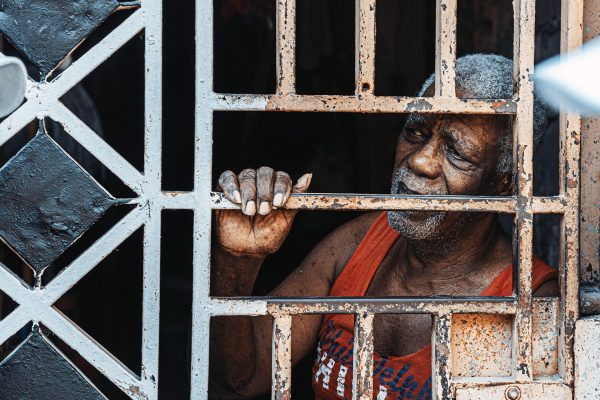
We’ve all been in a place where it seems like all is hopeless. The world has chewed us up, spat us out, and left us as if we were useless, worthless, and pathetic. Sometimes it’s our own fault. Sometimes life hands us a bad hand. What do we do in those situations? The Bible gives us those situations through the people it informs us about.
Paul and Silas, for example, beginning in Acts 16:16. Paul and Silas are just going to their place of prayer, and this demon-possessed slave girl starts shouting at everyone around that, “These men are servants of the Most High God, who proclaim to you the way of salvation.” She repeatedly does this day by day. This woman who has a demon which is proclaiming who they are. Jesus was the same way in Mark 1:21-28. He did not allow the demon to proclaim who He was. The demon would cry out, “What have you to do with us, Jesus of Nazareth? Have you come to destroy us? I know who you are — the Holy One of God.” Jesus told the demon to, “Be quiet, and come out of him!” The testimony of demons comes from a place of impending doom and fear of God, and their testimony is unreliable to all who know its origin. The testimonies Jesus wanted were from a place of love and faith. The same for Paul and Silas so after finally being fed up with her, cast the demon out.
This may sound like a wonderful thing, but the owners of this slave girl had been making a handsome profit from her divination. Now that the spirit was gone, her ability made her useless to them. They decided to do everything they could to run these men out of town, lock them up, or otherwise make them pay for their lost revenue. They complained to the authorities, and what started as an annoyance of a woman screaming in the streets became a mob attacking, then the magistrates ripping off their clothing and beating them with rods. Finally, they were thrown into the worst, smelliest, darkest, and most hopeless part of prison.
All they did was something good for someone, and now the world has brutally come down upon them. The only way it could get much worse would be if they had been killed. Many people would be so entrenched in their own self-despair and dark emotions that they could possibly die having never seen the light of day again. What were these men doing? Acts 16:25 says, “About midnight Paul and Silas were praying and singing hymns to God, and the prisoners were listening to them…”
In the darkest hours a man who has God still has the light of hope and joy. In Acts 5:41, when Peter and John were being persecuted, the Bible says, “Then they left the presence of council, rejoicing that they were counted worthy to suffer dishonor for the name.” Jesus taught that if we go through bad circumstances because of God, we have an assurance: “Blessed are you when others revile you and persecute you and utter all kinds of evil against you falsely on my account. Rejoice and be glad, for your reward is great in heaven, for so they persecuted the prophets who were before you” (Matthew 5:11-12).
As bad as everything could be, Jesus said, “And do not fear those who kill the body but cannot kill the soul. Rather fear Him who can destroy both soul and body in hell” (Matthew 10:28). If we do have people mistreat us like the apostles, God said, “Vengeance is mine, I will repay, says the Lord” (Romans 12:19b).
Paul and Silas were joyous, not because of the situation, for certainly their bodies were in pain, and despair was welling inside of them — but they found comfort, light, and strength in the Lord. They were singing and praying and putting all trust in Him. They knew He would save them, even if it meant through death, they would come out the better in the end.
Throughout the Bible, we can repeatedly see instances like this. Abraham, Joseph, Stephen, and the other apostles. They are our pillars of faith we look to as our exemplars. Not because they were perfect, but because they put their hope and faith and trust in the Lord.
Lance Byers